Women in Big Data Global 
Donate
×

By WiBD Team,
October 9, 2026

October 6, 2026 | T-Systems Innovation Center, Munich, Germany
What does digital sovereignty really mean in the age of AI, and how can organizations balance innovation, trust, and control?
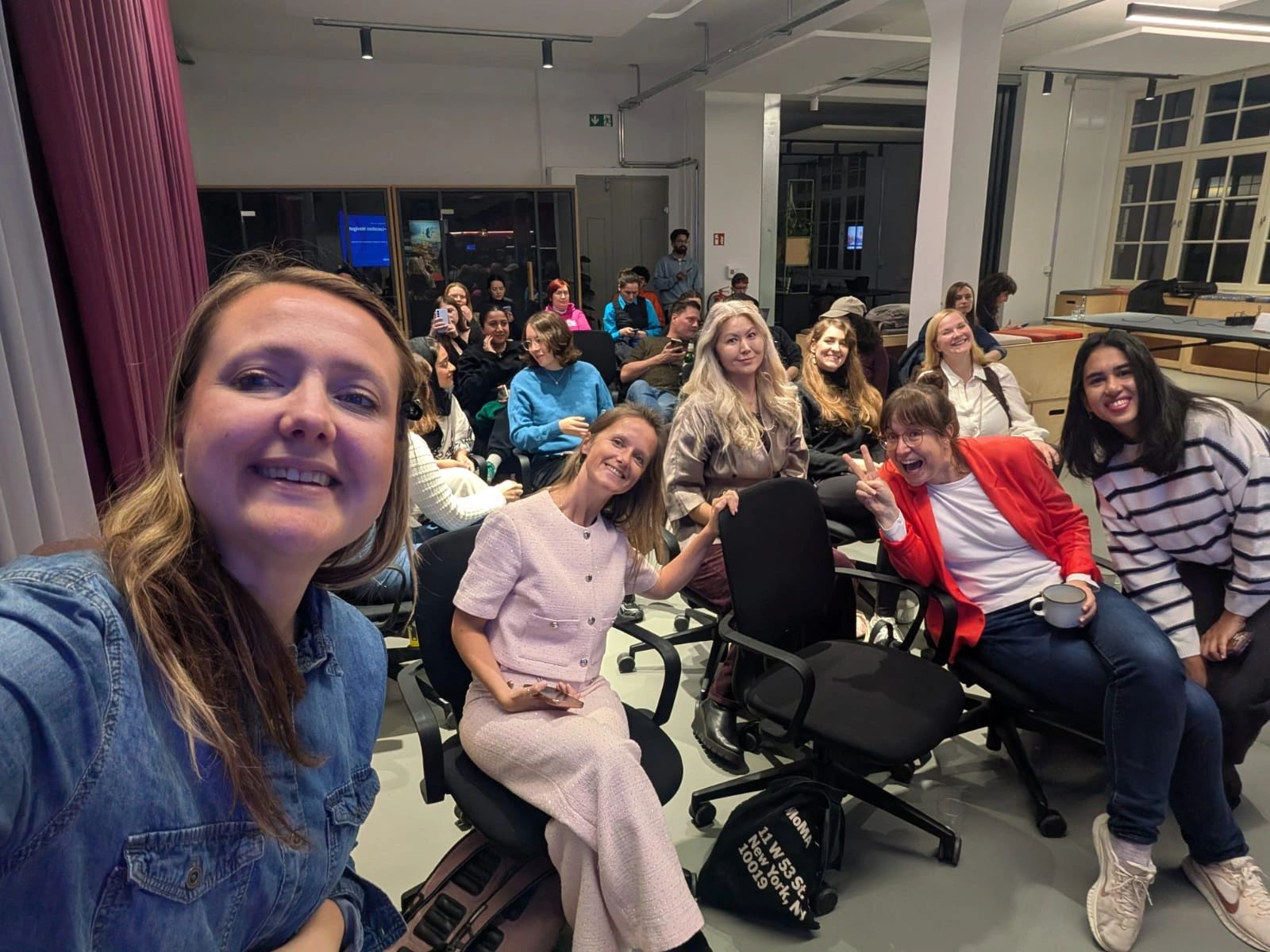
On October 6, WiBD Munich brought together approximately 100 women from technology, insurance, data, and digital transformation for an engaging evening at the T-Systems Innovation Center in Munich. The event, “Where Data Meets Decision: Sovereignty & Digital Transformation,” marked the chapter’s largest gathering to date and created an opportunity for industry leaders and professionals to exchange perspectives on some of today’s most pressing technology challenges.
Hosted by T-Systems International, with support from ServiceNow, the evening featured insightful discussions on AI governance, digital sovereignty, and the challenges organizations face as they move from AI experimentation to enterprise-wide adoption.
A central theme of the evening was that digital sovereignty extends far beyond where data is physically stored. It also involves maintaining control over the technology, infrastructure, operations, and increasingly, the decisions made by AI systems.
For organizations operating in highly regulated industries such as insurance and financial services, these considerations are particularly important. As AI becomes more deeply integrated into business operations, organizations must navigate evolving regulatory requirements, growing technology dependencies, and the need to protect sensitive information.
The discussion highlighted the importance of building trustworthy AI systems while preserving organizational flexibility and control.
One key message emerged: Governance and sovereignty are not barriers to innovation—they are essential foundations for scaling AI with confidence.
The conversation also addressed a familiar challenge: while many organizations have launched promising AI pilots, turning those experiments into scalable business solutions remains difficult.
Fragmented systems, organizational silos, and limited visibility into AI initiatives can prevent organizations from realizing the full potential of their investments.
Speakers and participants emphasized several important priorities:
Establish clear AI governance: Define ownership, accountability, guardrails, and transparency from the beginning.
Improve visibility and control: Understand which AI systems are being deployed, how they are used, and who is responsible for their outcomes.
Break down organizational silos: Encourage collaboration across legal, IT, security, enterprise architecture, and business operations.
Focus on business value: Prioritize AI initiatives that address meaningful business challenges rather than pursuing technology for its own sake.
Build trusted partnerships: Recognize that responsible AI adoption requires collaboration across technology providers, business partners, and customers.
The evening also included a demonstration of ServiceNow’s AI Control Tower, illustrating how organizations can improve visibility and governance across their AI environments.
These conversations reinforced the importance of combining technological innovation with strong governance, human oversight, and cross-functional collaboration.
The event featured an engaging discussion moderated by Kendy Rannenberg, co-founder of Women in Big Data Munich, with contributions from Kerstin Weihe, Rosalie Kolb, Carolina Soto, and Imge Besenk Asaroglu.
Jill Hassler of T-Systems and Veronika Miller of ServiceNow also shared perspectives on digital sovereignty, AI adoption, and the importance of maintaining trust and control in regulated industries.
The speakers brought valuable insights from across the technology, insurance, financial services, and digital transformation ecosystems, demonstrating how different industries are navigating similar challenges.
Beyond the technical discussions, the event highlighted the importance of having diverse perspectives involved in decisions about AI and emerging technologies. As organizations increasingly rely on data-driven systems, inclusive leadership and collaboration become even more important.
While the discussions offered valuable insights into the future of AI and digital sovereignty, the evening was equally memorable for the connections it created.
With approximately 100 women in attendance, the event reflected the continued growth and engagement of the Women in Big Data Munich community.
Participants exchanged experiences, expanded their professional networks, reconnected with colleagues, and explored opportunities to support one another’s professional growth.
The enthusiasm throughout the evening reinforced an important part of WiBD’s mission: creating spaces where women can share knowledge, build relationships, develop leadership skills, and help shape the future of data and AI.
Women in Big Data Munich extends its sincere appreciation to T-Systems International for hosting the event at its Innovation Center and to ServiceNow for supporting the discussion.
Special thanks to Rafaela Sieber and Lara Söhnle from T-Systems for their hospitality and organizational support; Jill Hassler and Veronika Miller for sharing their expertise; Kendy Rannenberg for her leadership and moderation; and panelists Kerstin Weihe, Rosalie Kolb, Carolina Soto, and Imge Besenk Asaroglu for their thoughtful contributions.
Most importantly, thank you to everyone who attended, participated in the discussions, shared experiences, and helped make this the Munich chapter’s largest gathering yet.
The evening demonstrated that the future of AI is not simply about technological capability. It is about making informed decisions, building trust, encouraging collaboration, and ensuring that innovation creates meaningful value.
Together, the Women in Big Data community continues to advance these conversations while empowering more women to lead and shape the future of technology.




Feel like socializing?
Interested in serving on a Women in Big Data leadership committee?
Click here to let us know.